Neurelo
Neurelo consolidated everything developers need for databases into one API-first platform. I was the first and only designer, owning everything the user touched: product, design system, brand, marketing, and go-to-market.
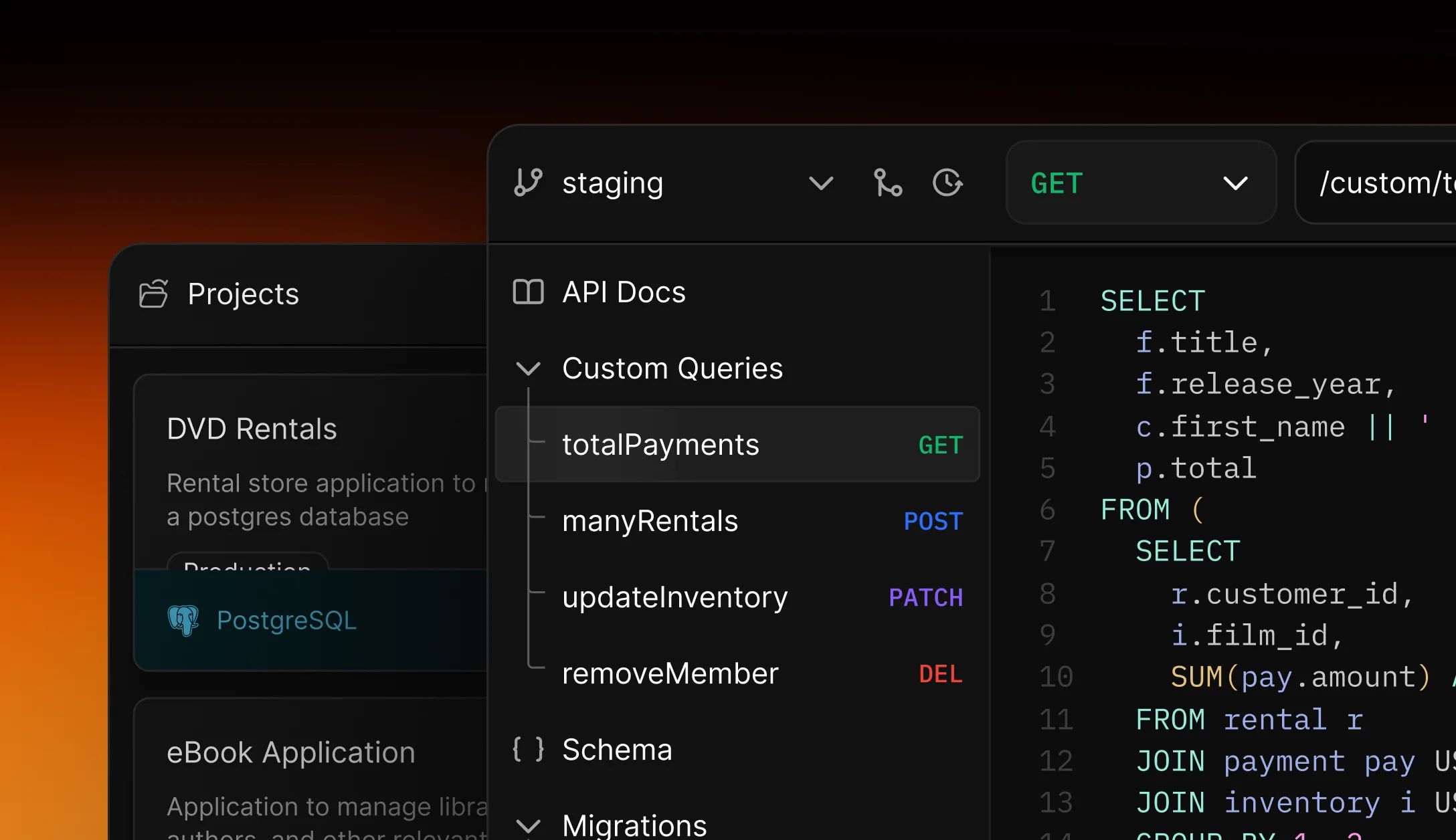
Learning the domain, then redesigning it
Not knowing the space meant I had no assumptions to protect. I spent the first weeks learning how developers actually worked with databases. The mental models, the workflows, where they get stuck. That process surfaced friction the team had stopped seeing.
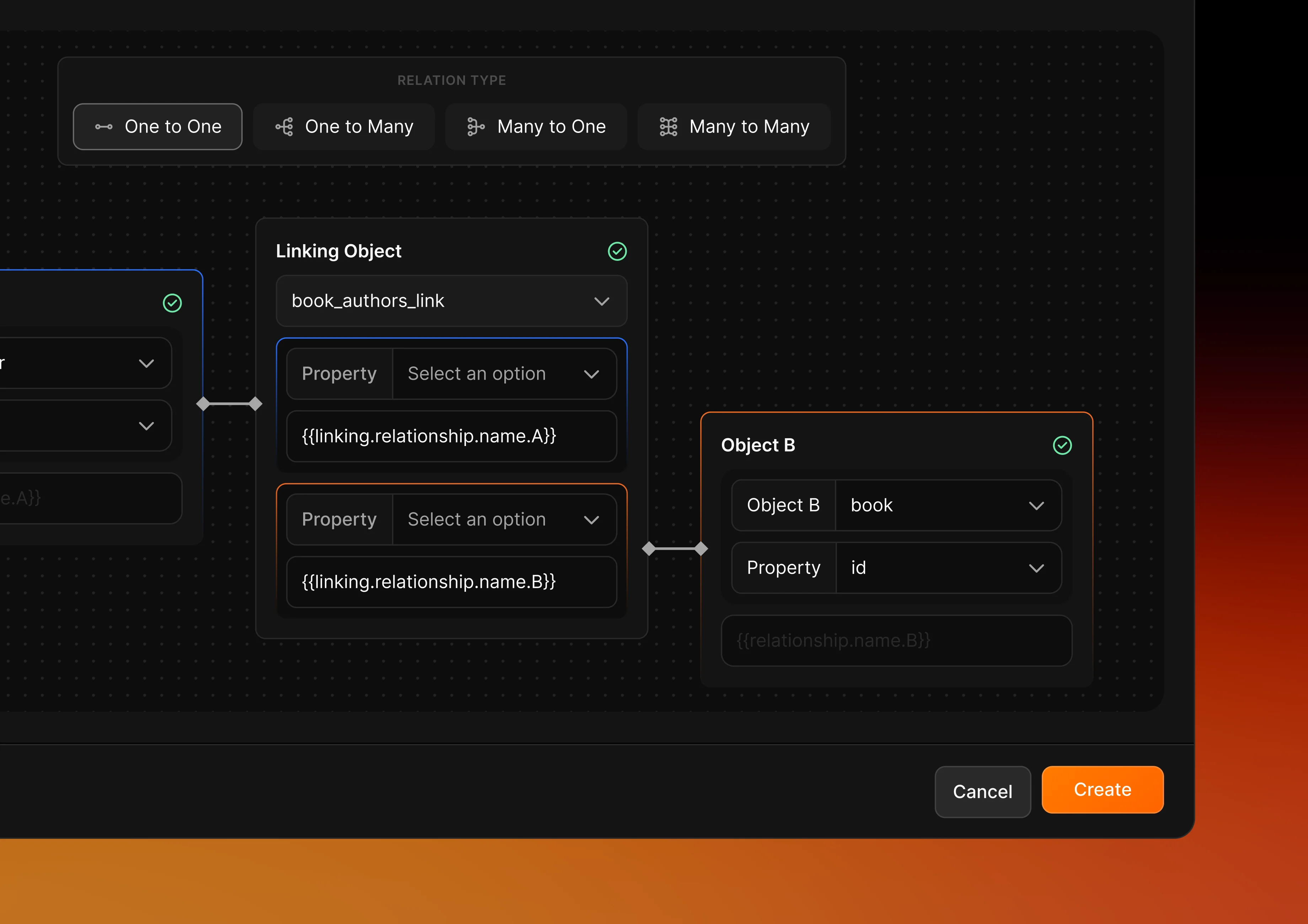
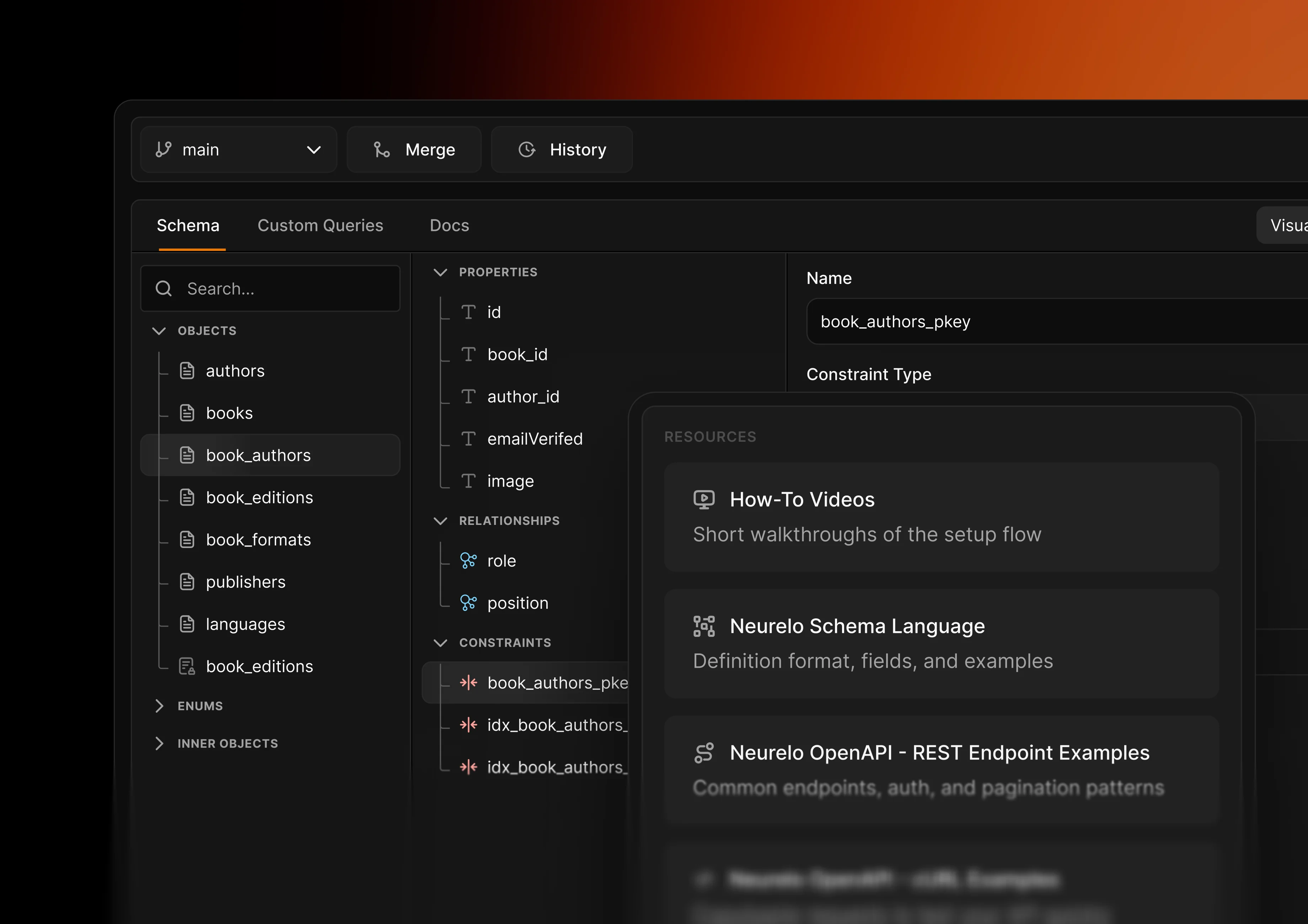
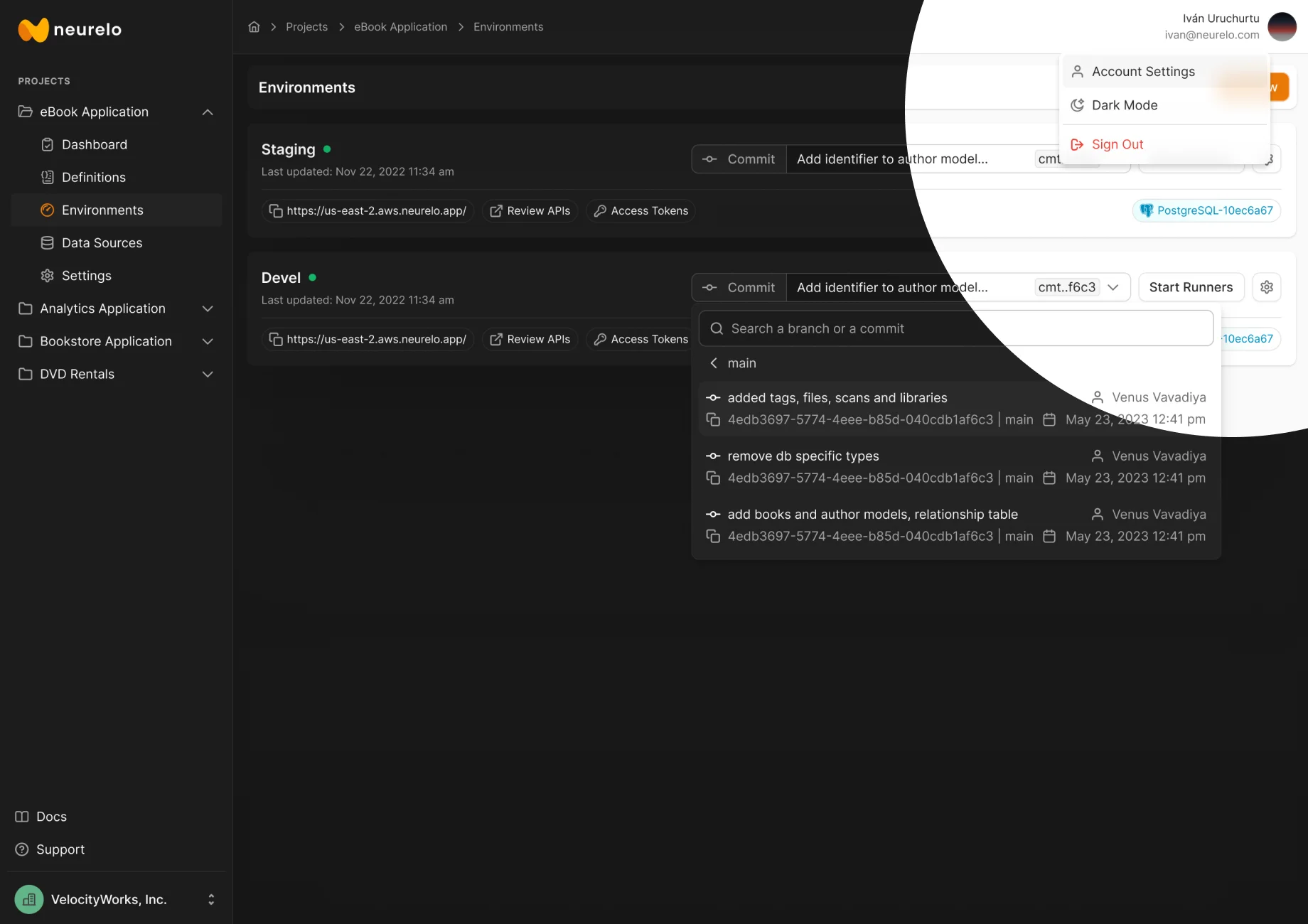
The onboarding was twelve steps. I cut it to four. The API playground was duplicated across sections to surface a minor documentation variation. I consolidated it into one. The navigation borrowed heavily from another dev tool, but our product model was different. I mapped the actual user flows and built a nav that fit our use case.
Full product redesign shipped in 8 weeks.
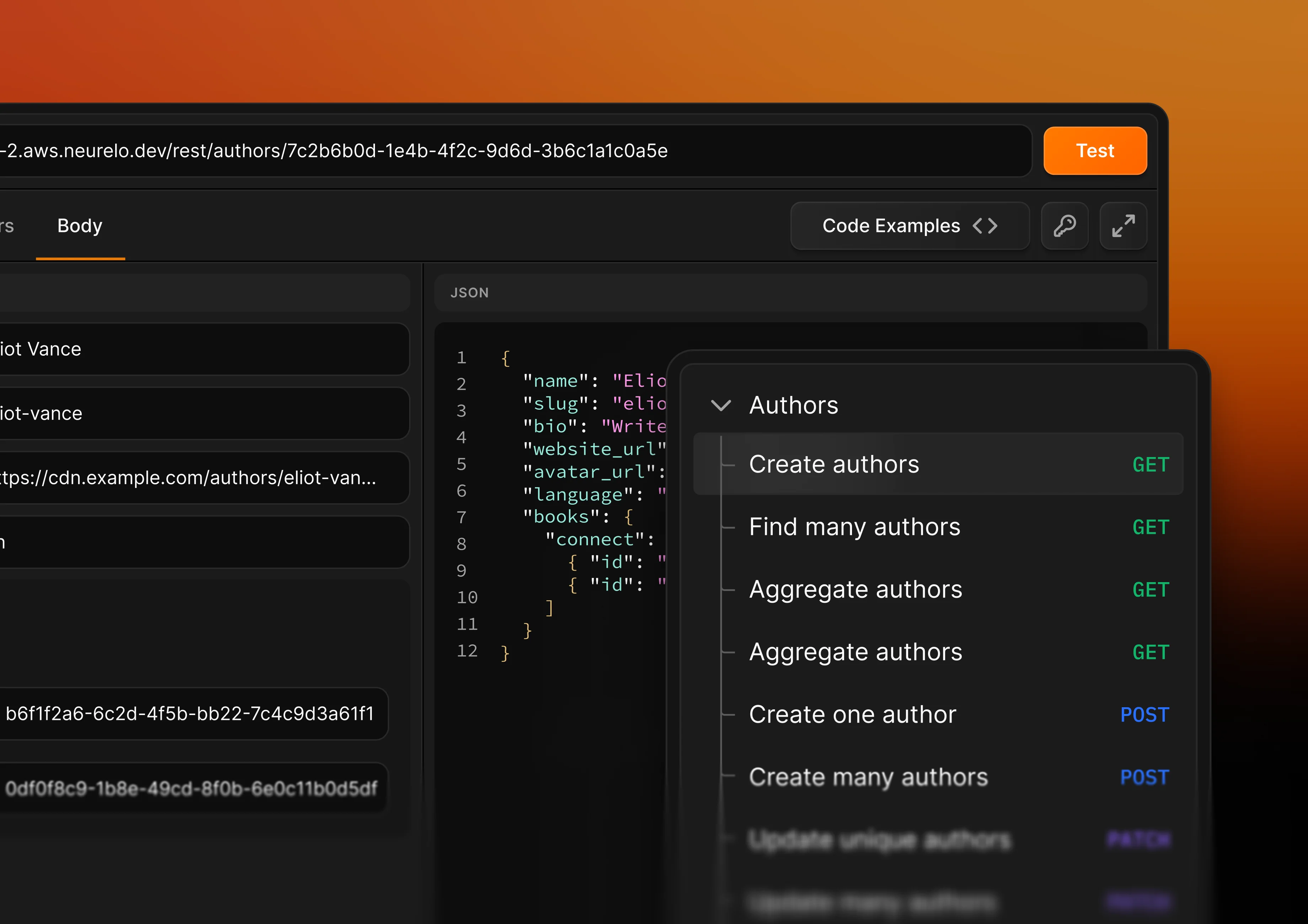
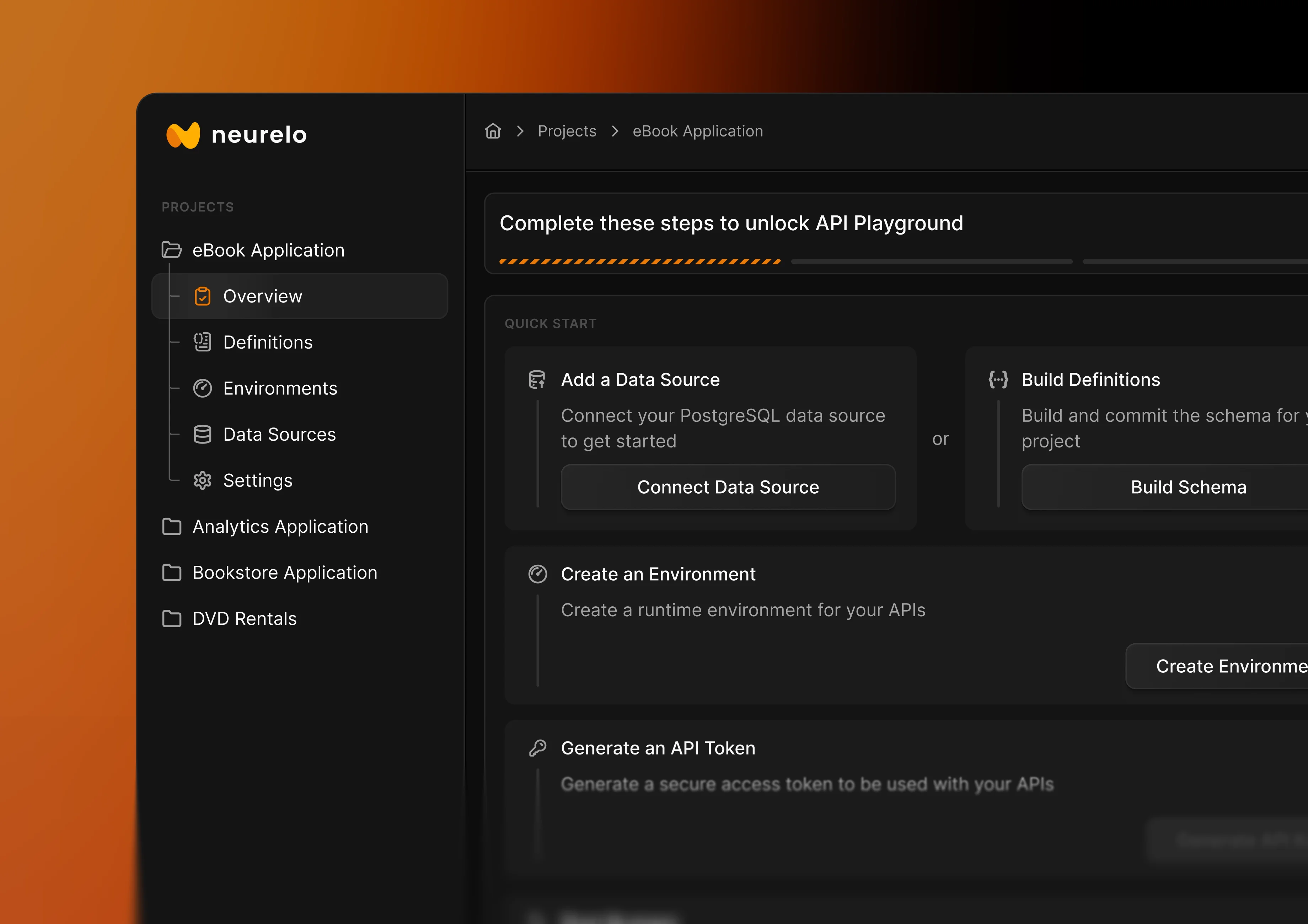
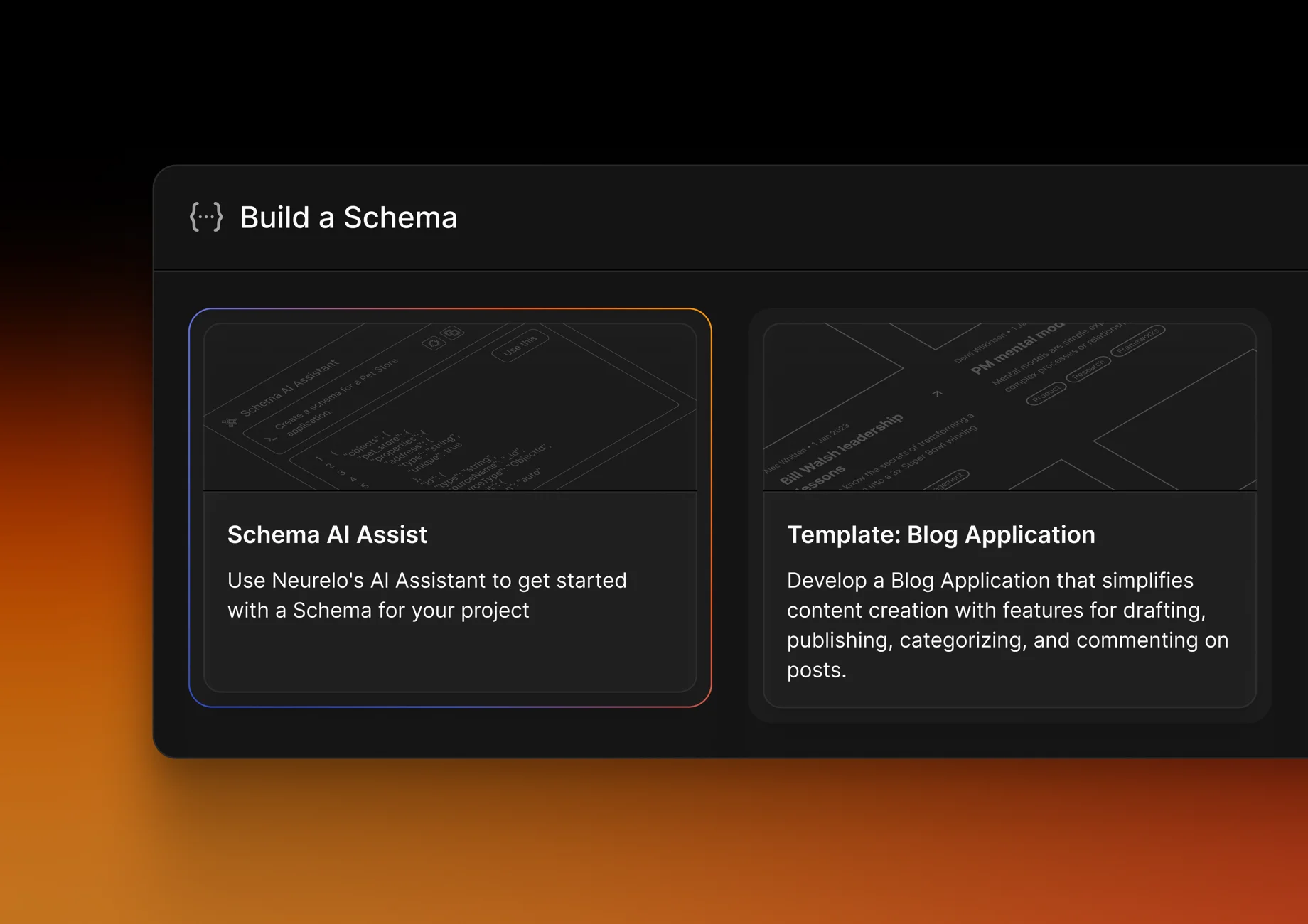
Building the infrastructure to move fast
Once the product direction was clearer, the next problem was consistency. The team was moving fast, and without a shared system every new screen risked becoming a one-off.
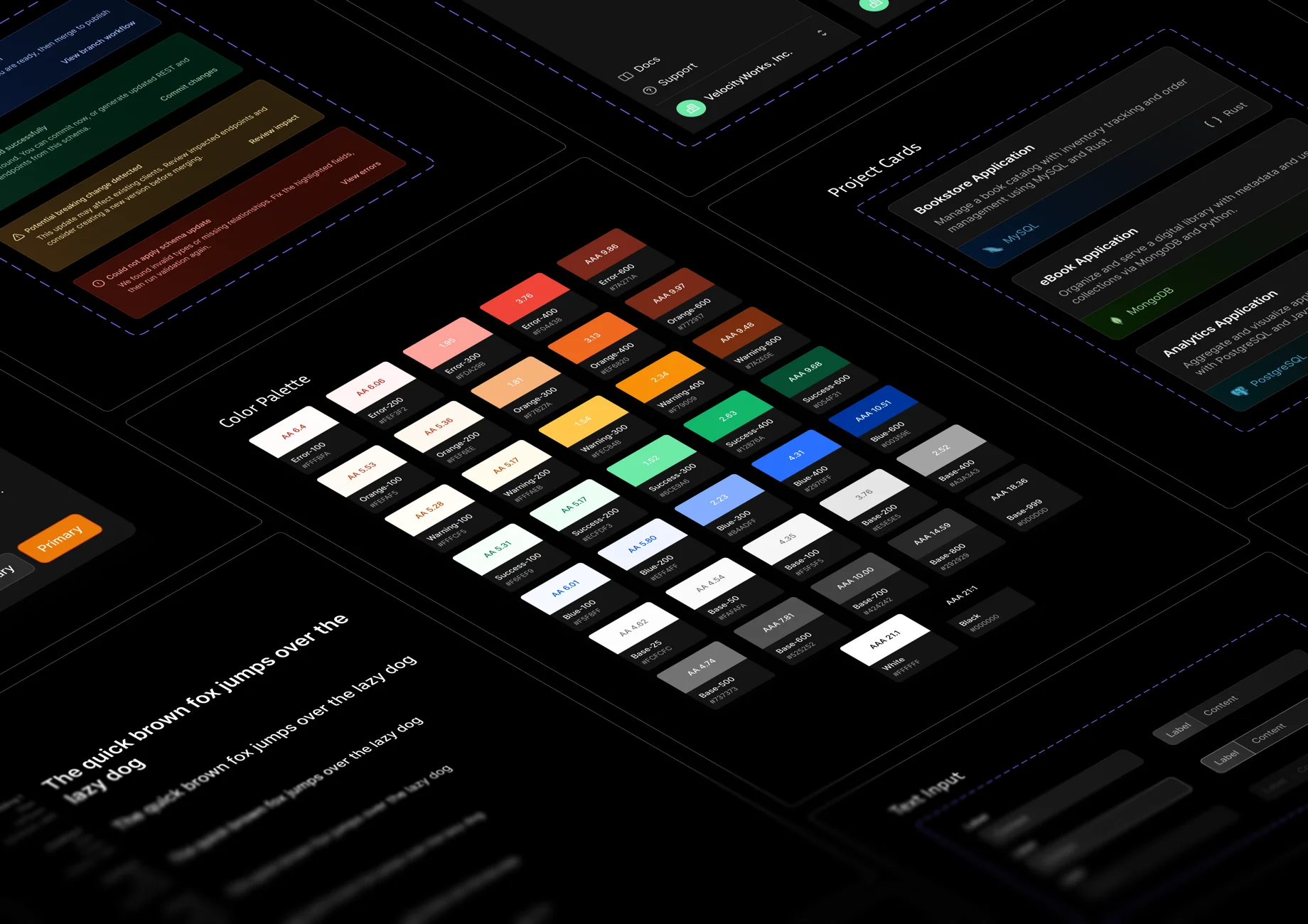
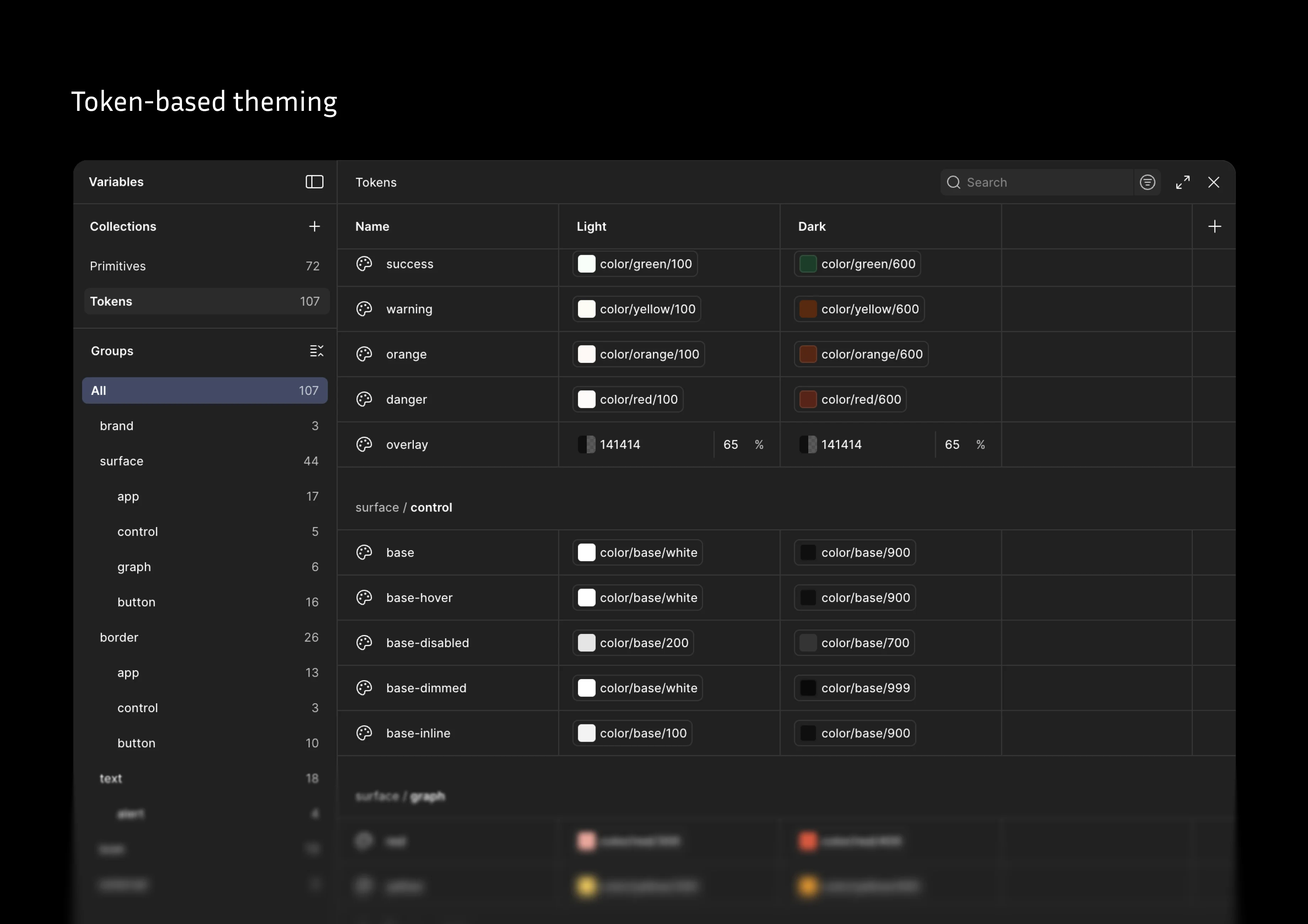
I built a design system around tokens and a theming architecture, so multiple themes could ship without rebuilding components. The hard part was not designing it. It was getting buy-in in the middle of shipping pressure. I framed it in practical terms: less drift, fewer one-off decisions, and a foundation that would make future work faster to build.
It became the layer everything else could stand on.
Owning the launch, not just the product
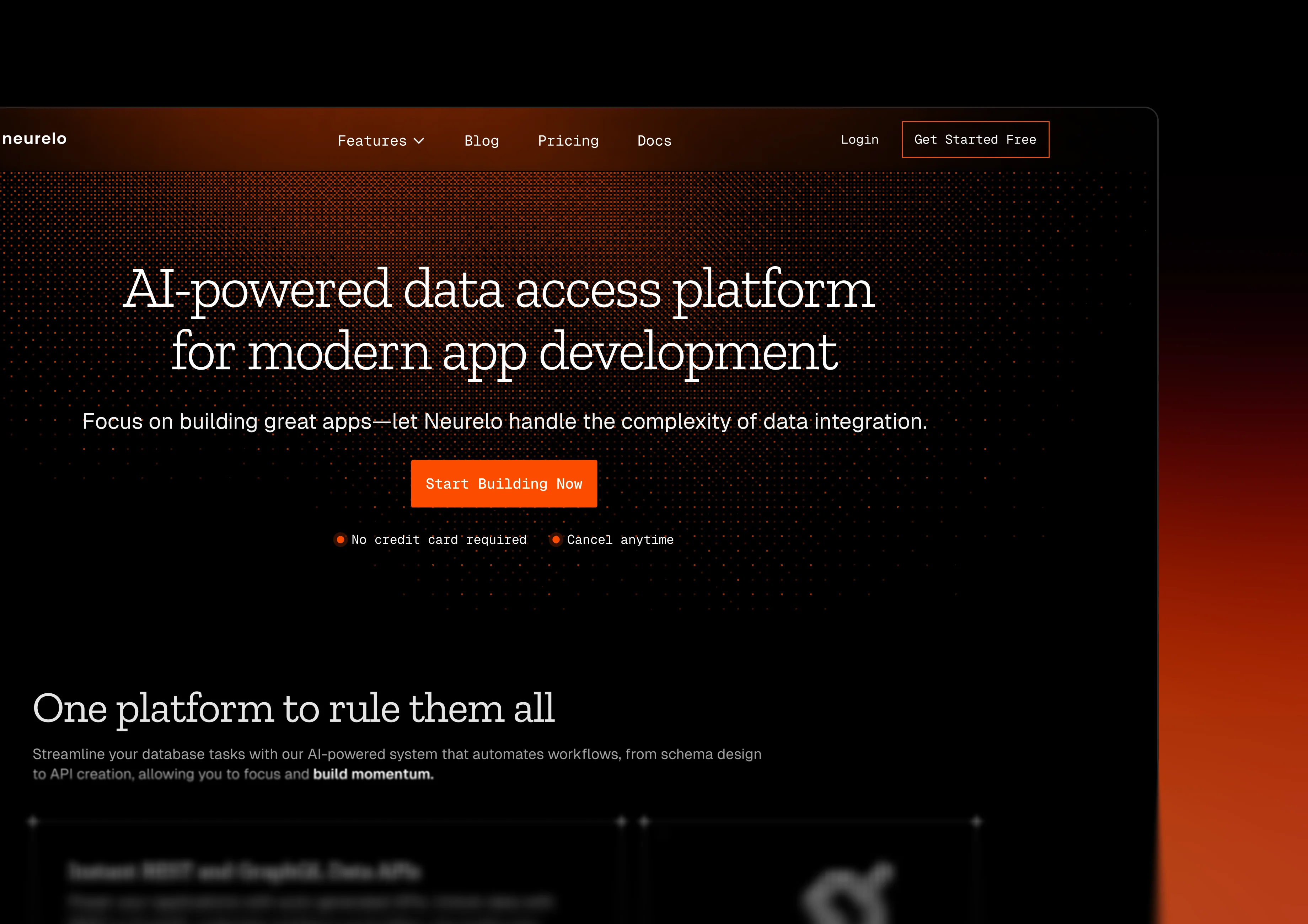
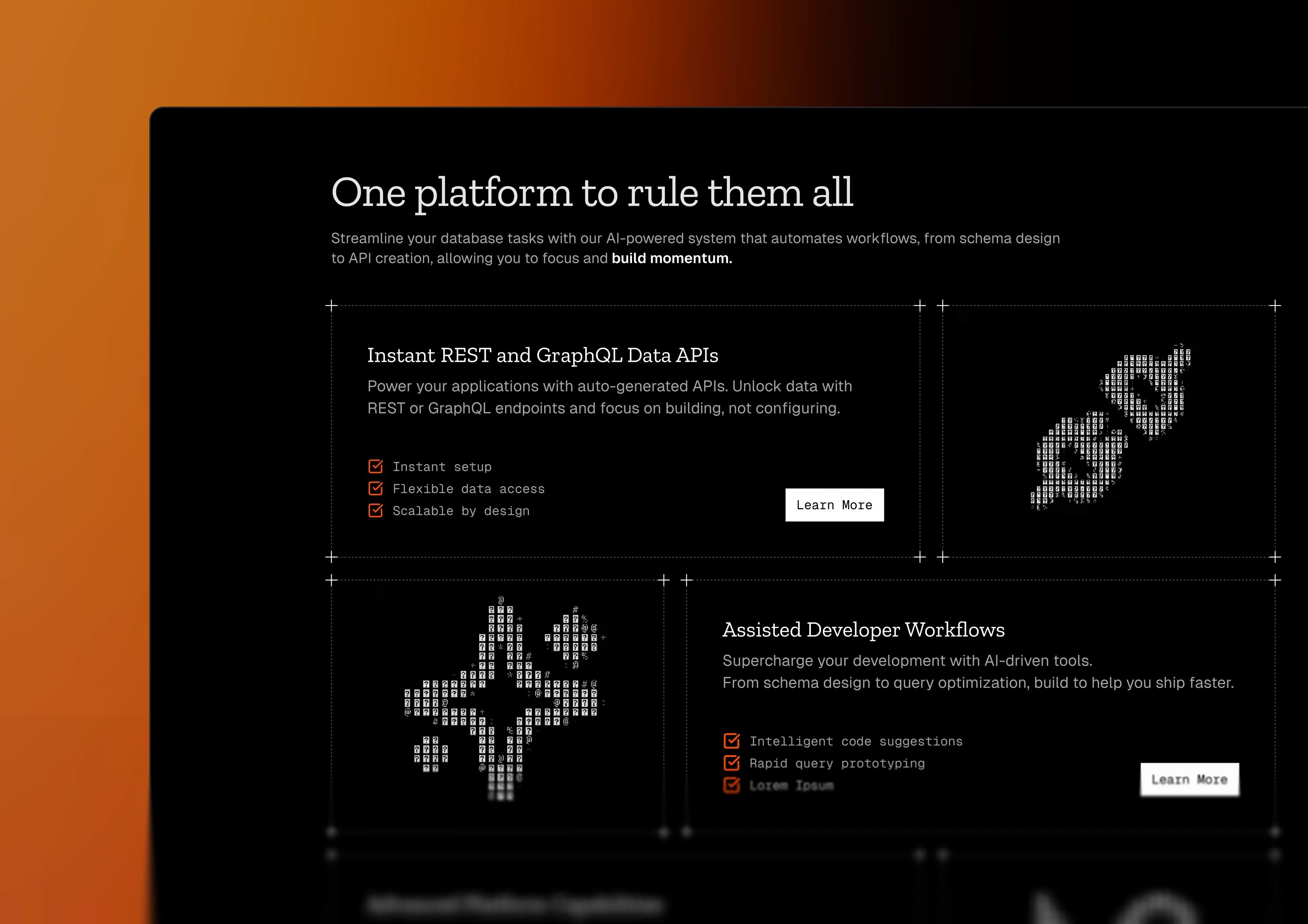
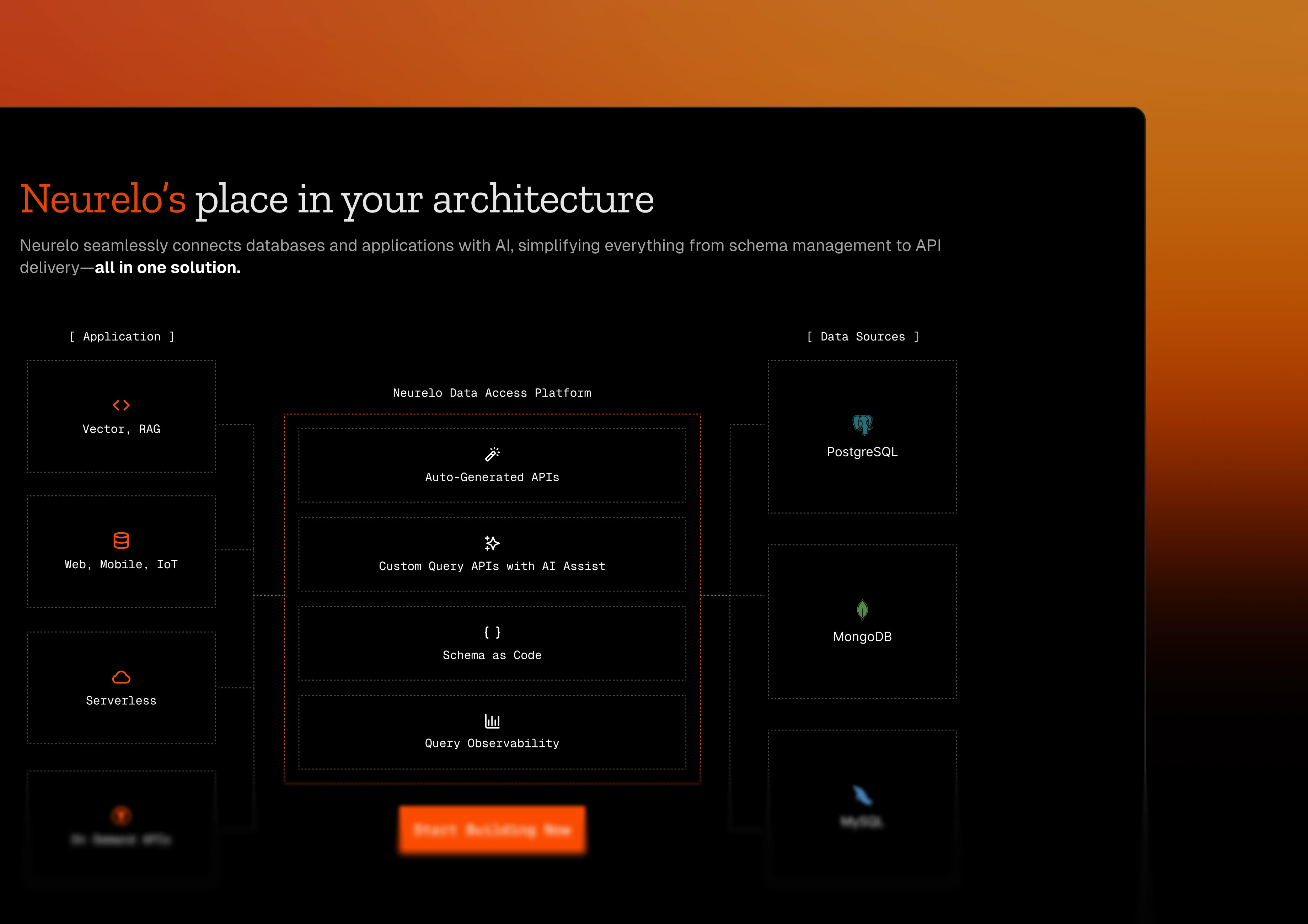
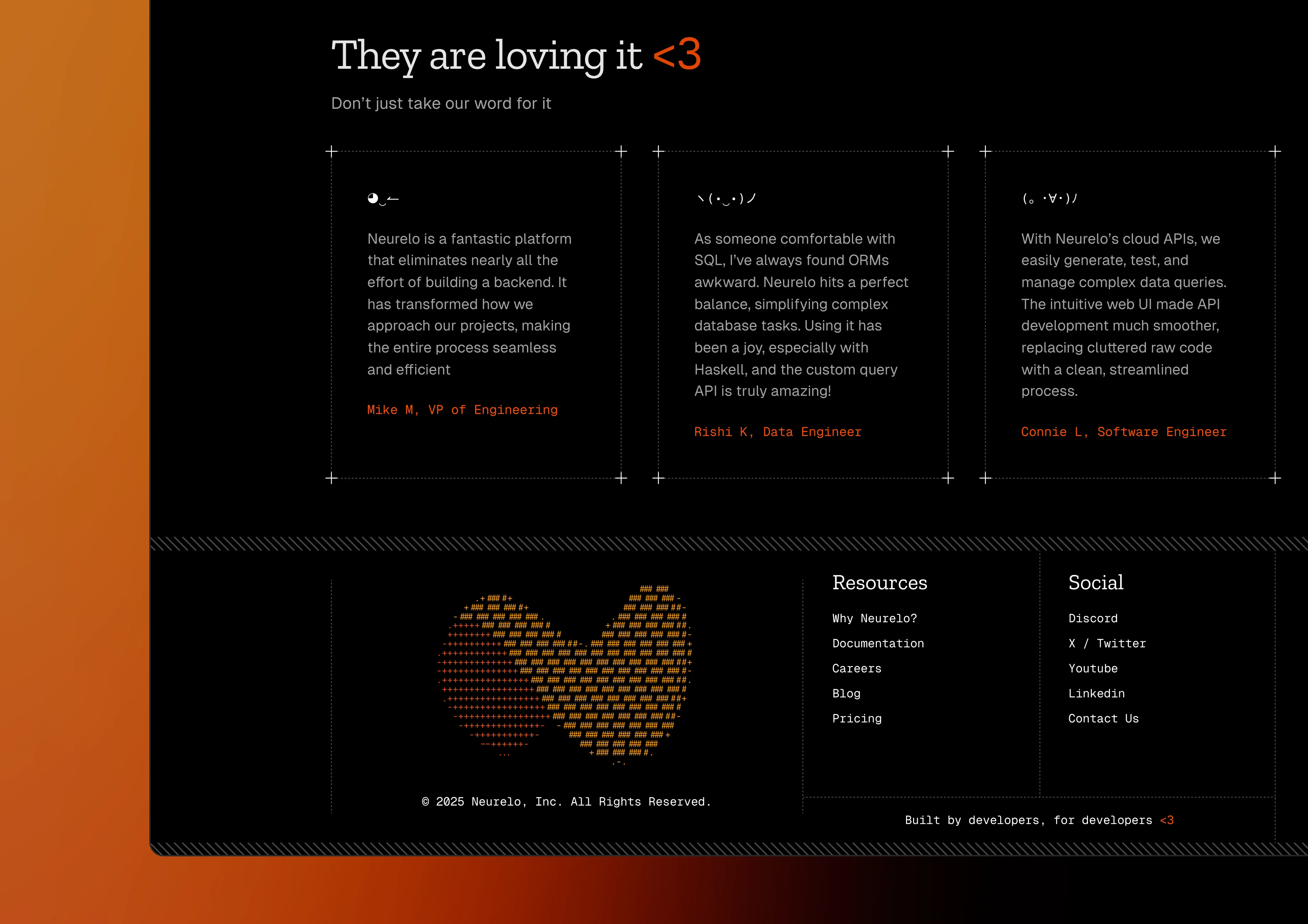
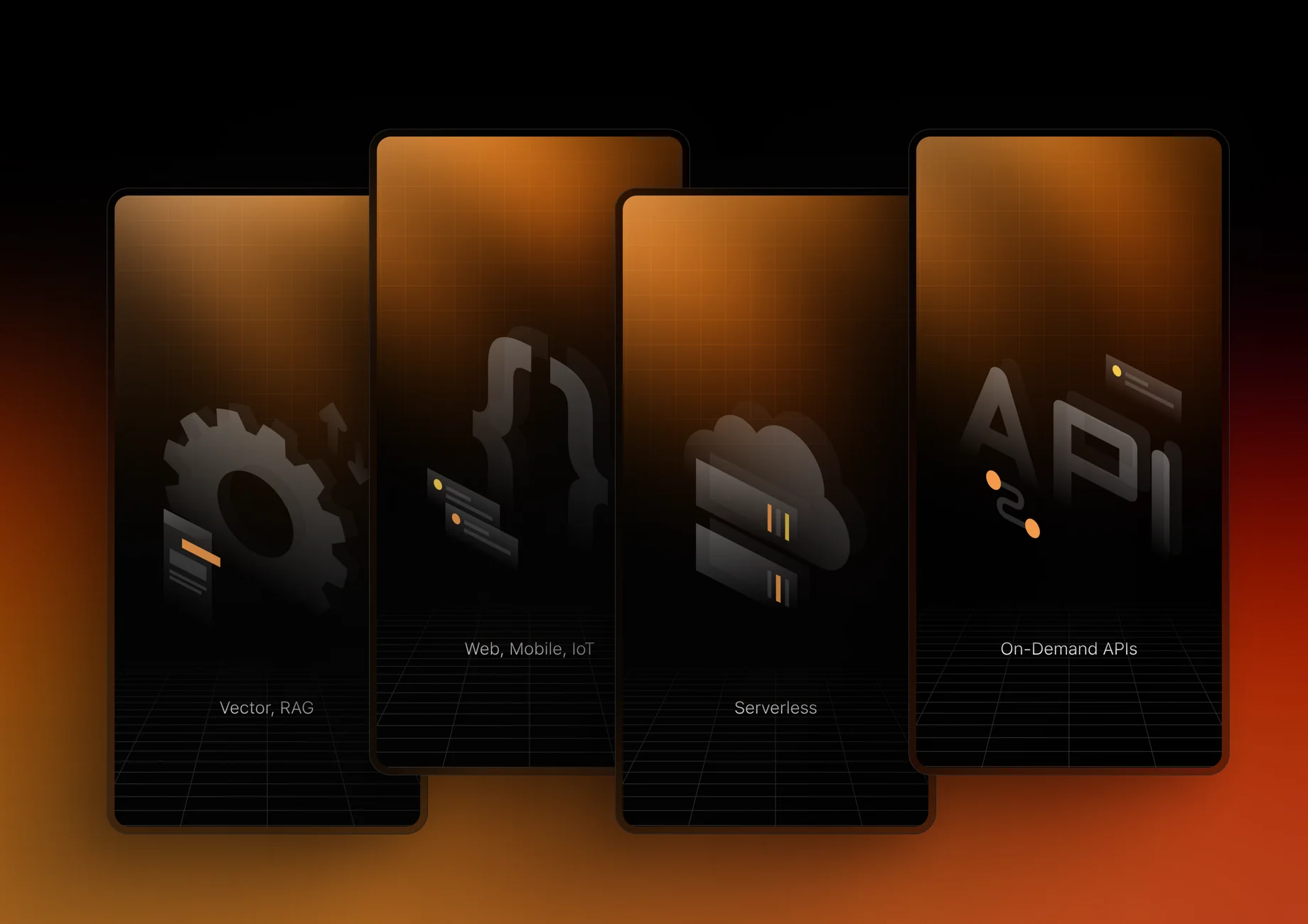
The product was ready. Now it had to land. I shifted into go-to-market, designing and developing the marketing site, landing pages, ad creatives, and video assets, iterating on what actually resonated with developers.
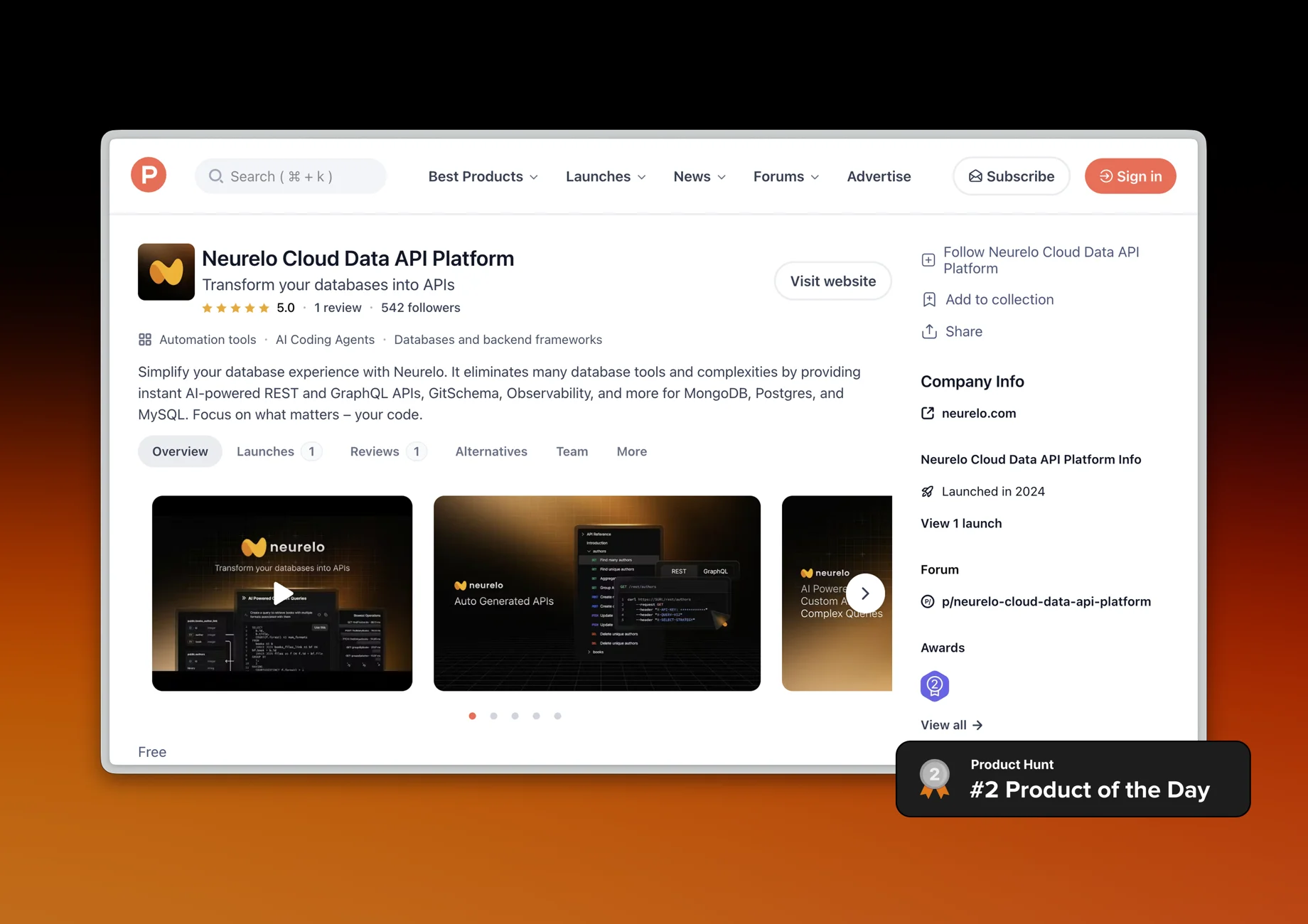
Then I ran the Product Hunt launch solo. Positioning, visuals, copy, launch video, all of it. Placed 2nd Product of the Day. The marketing site became the primary acquisition channel.
That was the point where the role clearly expanded. Not just shaping the product, but how it should be positioned, explained, and launched.
The team halved. My role expanded. We shipped anyway.
About a year and a half in, the company went through a major leadership transition. Half the team left. We went from twelve people to six.
By then, the product had landed well, the design system was in place, and the work had built enough trust that the CTO pulled me into a broader role. I took on product direction, competitive positioning, marketing, and early user outreach alongside design.
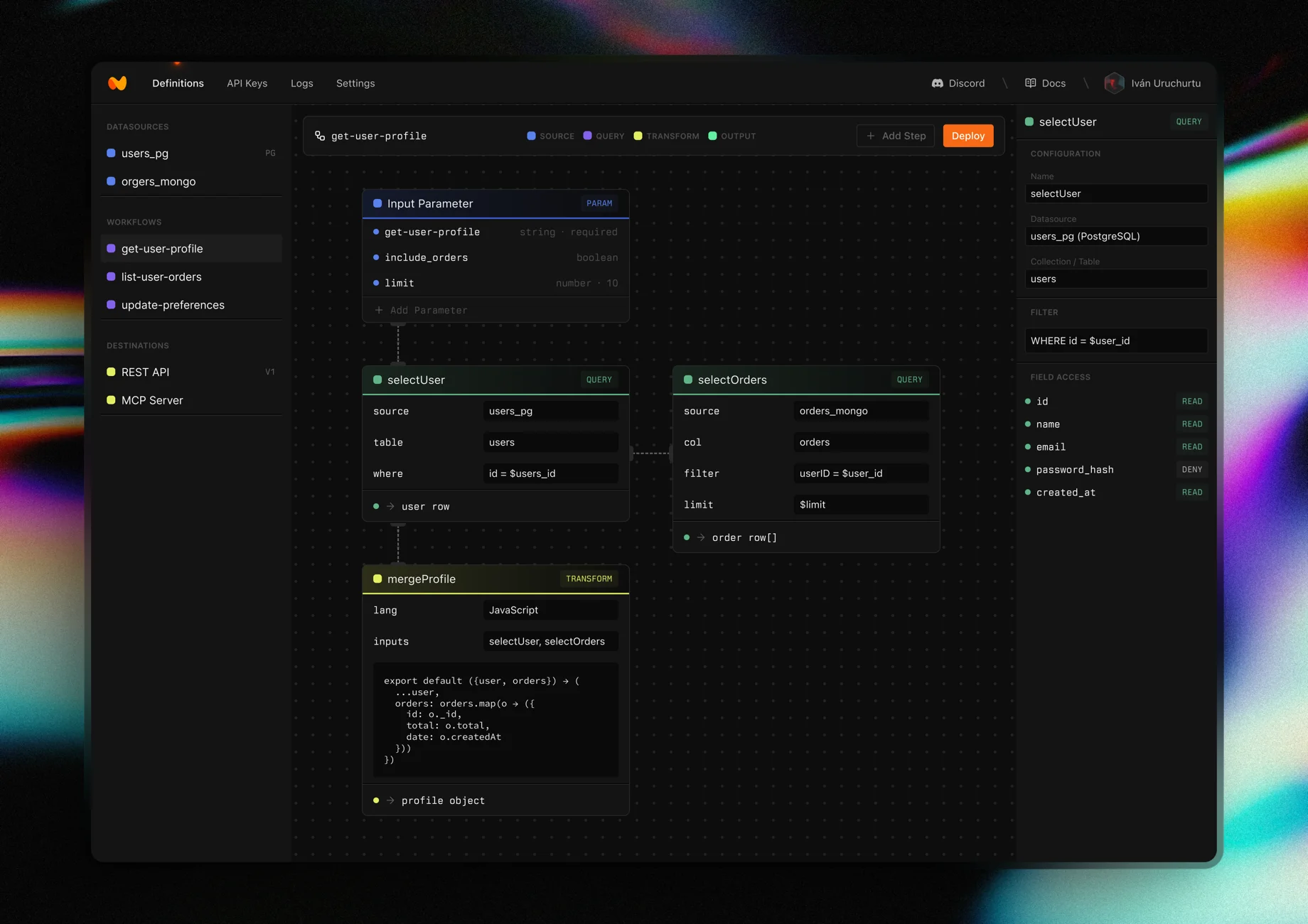
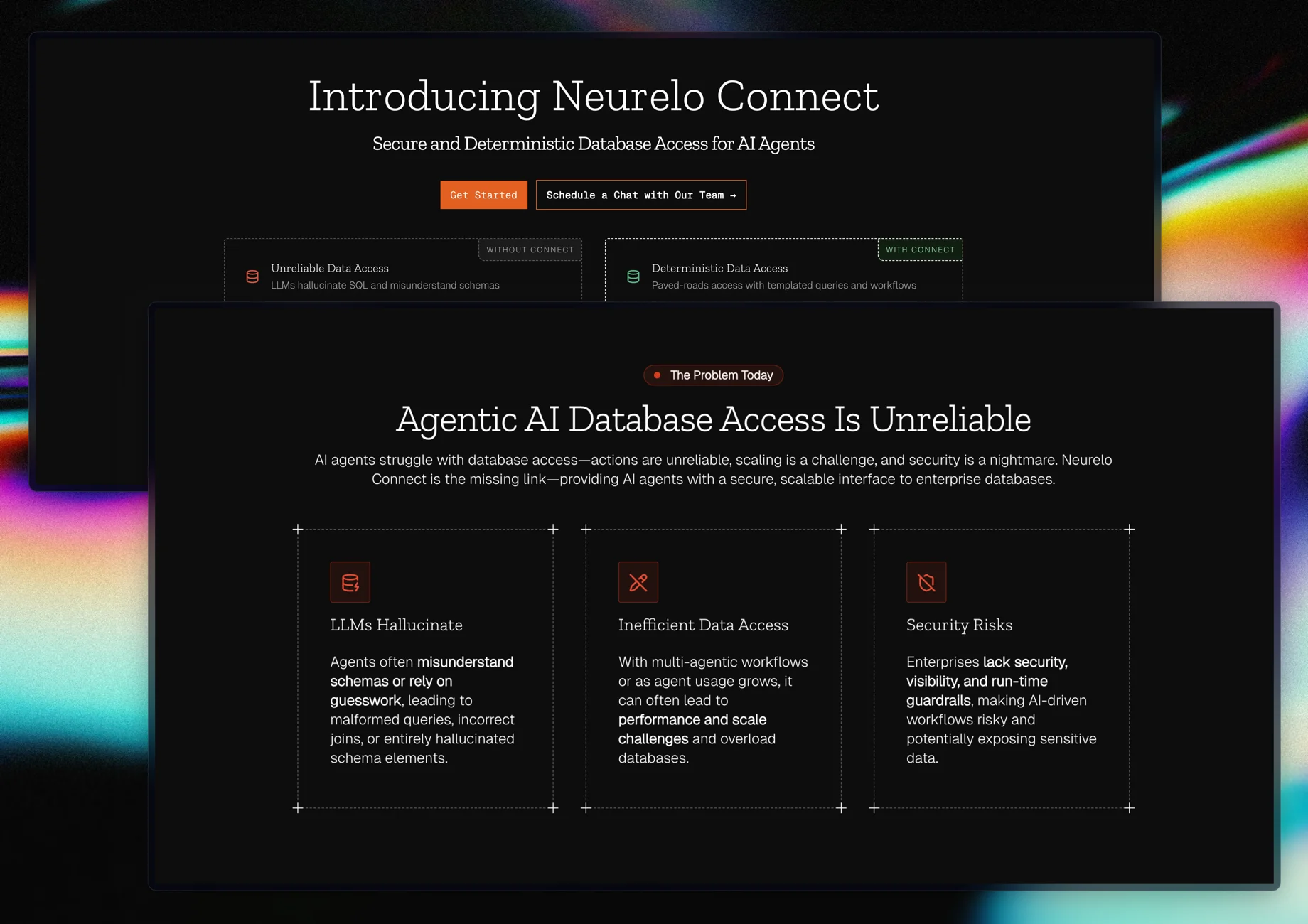
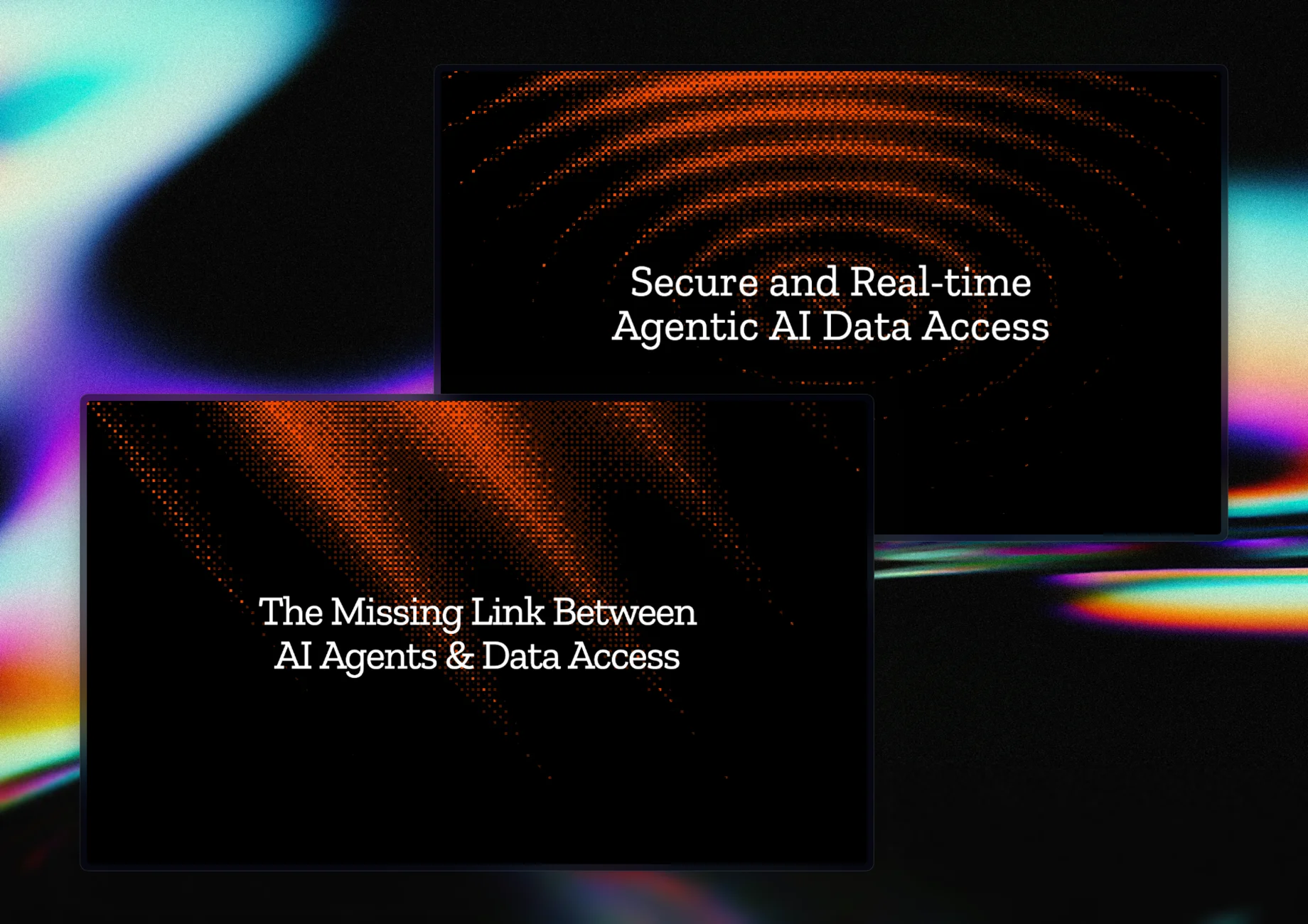
Neurelo Connect was a new product: a secure data proxy that gives AI agents deterministic access to databases. Different domain, smaller team, everything from scratch. Concept to working beta in under 10 weeks.
Two years. Two products. A pivot. Every surface the user touched, and most of the ones they didn’t. Reduce ambiguity fast enough for the team to keep moving. That was always the job.

Up next
Mictlán
Best-selling keycap set of 2023.